

Consider giving this a read before you plan your holiday to Bali with kids.
Enchanting beaches, lush rice terraces, vibrant culture, and warm hospitality – Bali, often referred to as the “Island of the Gods,” is a dream destination for travelers seeking a tropical paradise. However, amidst the allure of Bali’s beauty lies a myriad of considerations that every visitor should bear in mind before embarking on their journey. From cultural norms to health and safety precautions, understanding these essential factors can greatly enhance your Bali experience and ensure a smooth and memorable trip. So, before you pack your bags and set off for this breathtaking island getaway, let’s delve into the key things you need to consider to make the most of your Bali adventure.
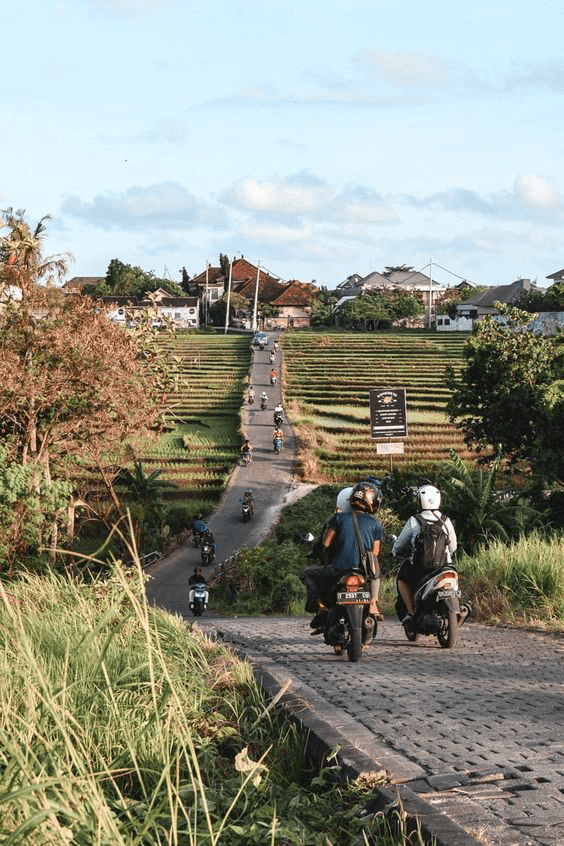
Transportation. In Bali, navigating the island’s bustling streets often involves a unique mode of transportation: the motorbike. With its narrow lanes and congested roads, traveling by car can be a bit of a hassle, especially during peak traffic hours. As a result, many locals and visitors alike opt for the convenience and agility of motorbikes to weave through the traffic with ease. If you’re inexperienced or unfamiliar with riding a motorbike, it’s not advisable to do so, especially when accompanied by children. It’s important to note that while a journey might only take 6 minutes by motorbike, the same route can take up to 40 minutes by car due to traffic congestion and narrow roads.
Travel Insurance: Prioritize obtaining comprehensive travel insurance coverage for your family before embarking on your Bali adventure. Travel insurance can provide financial protection and peace of mind in the event of unforeseen emergencies, including medical emergencies, trip cancellations, or lost luggage. Given the prevalence of motorbike accidents and the possibility of encounters with wildlife such as snakes and monkeys in certain areas of Bali, having travel insurance with adequate medical coverage is essential. Additionally, ensure that your insurance policy covers activities you plan to engage in, such as motorbike rentals or adventure sports, to avoid any potential gaps in coverage. Review the policy details carefully and keep a copy of your insurance documents easily accessible during your trip.

Water Safety. Stick to bottled or boiled water for drinking and avoid consuming raw or undercooked foods. Opt for reputable restaurants and eateries with high hygiene standards.
Food safety. “Bali Belly” (traveler’s diarrhea). Introduce foods gradually, opt for cooked rather than raw dishes, and be cautious about street food to minimize the risk of gastrointestinal issues.

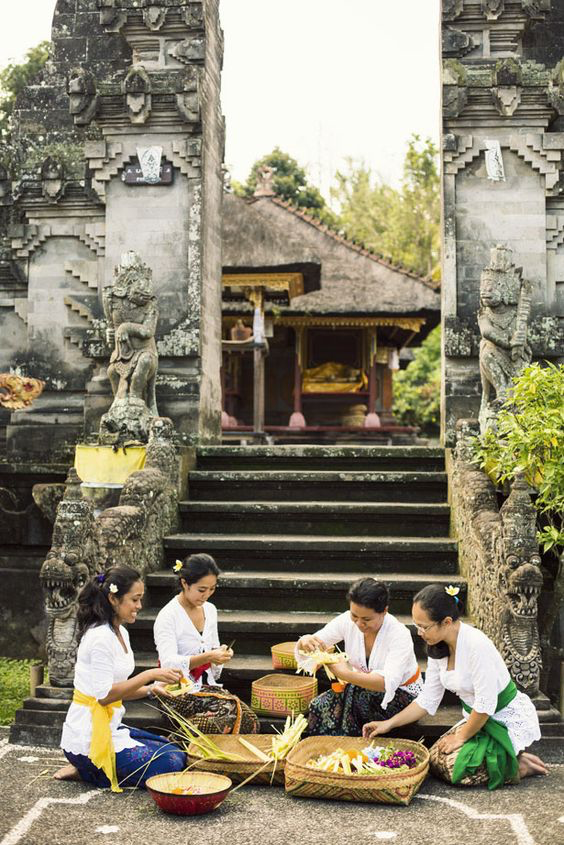
Cultural Sensitivity: Familiarize yourself and your children with Balinese customs and cultural norms to show respect to the local community. Teach children to greet locals with a smile and a polite “Salam” (hello) or “Terima kasih” (thank you). Encourage modest dress when visiting temples or religious sites.
Wildlife Encounters.Monkeys can be unpredictable and may bite or snatch items from unsuspecting visitors. Educate children about maintaining a safe distance and not provoking or feeding wildlife, and an advice from a local was never look the moneys in the eyes.

Road Rules with kids. Given the absence of sidewalks in many parts of Bali, it’s crucial to stress the importance of holding hands and staying close to your children, particularly when navigating busy streets or crowded areas. With no designated pedestrian pathways, walking alongside roads can be challenging and requires extra caution. Encourage children to stay by your side at all times and reinforce road safety practices to ensure a safe and enjoyable experience while exploring the island.
Hospitals. Familiarizing yourself with hospitals in the area. Take the time to research and identify the nearest hospitals or medical facilities to your accommodation. Additionally, understand which hospitals are well-equipped to handle medical emergencies, especially those involving children.
Holiday vibe by area.Traveling to different areas in Bali will significantly impact the day-to-day dynamics of your holiday experience. In Ubud, known for its lush greenery, you’ll find yourself surrounded by nature. However, it’s important to remain vigilant due to the presence of monkeys and the prevalence of mosquitoes, which can transmit diseases like dengue fever. Additionally, while transportation is necessary for getting to restaurants and accommodations, it’s more feasible to do so by car compared to areas like Seminyak or Canggu. On the other hand, Uluwatu offers a beach-centric holiday experience, with hotels situated near the coast or within proximity to the beach. The roads are better maintained in this area, making travel by car more convenient and plausible. Meanwhile, Canggu and Seminyak are ideal for a laid-back small-town holiday vibe, although the beaches, characterized by black sand, are more suited for surfing rather than swimming. Getting around these areas is predominantly done by motorbike. For a quick getaway with your family, I’d recommend choosing between the verdant landscapes of Ubud or soaking up the sunshine on the beaches of Uluwatu. Each area offers a distinct experience, catering to different preferences and holiday styles.
More option of traveling to Bali with kids explained by area.
Nusa Dua: Known for its luxury resorts and pristine beaches, Nusa Dua is a popular choice for families seeking a relaxed and upscale atmosphere. The area boasts wide, clean beaches with calm waters ideal for swimming, as well as family-friendly resorts offering amenities such as kids’ clubs, pools, and babysitting services.

Sanur: Sanur is a laid-back beach town known for its shallow waters and tranquil atmosphere, making it suitable for families with young children. The beachfront promenade offers a range of family-friendly restaurants, shops, and activities, while the calm waters provide a safe environment for swimming and water sports.

Ubud: Despite being inland, Ubud offers a unique and family-friendly experience with its lush greenery, cultural attractions, and outdoor adventures. Families can explore rice terraces, visit monkey forests, and participate in cultural activities such as traditional dance performances and Balinese cooking classes. Many accommodations in Ubud also cater to families with spacious rooms and kid-friendly amenities.

Jimbaran: Jimbaran is known for its beautiful beaches and seafood restaurants, making it a popular destination for families looking for a beach holiday with a relaxed vibe. The calm waters are ideal for swimming and snorkeling, while the beachfront restaurants offer fresh seafood and stunning sunset views. Family-friendly resorts in Jimbaran often provide amenities such as kids’ clubs, pools, and beach activities.

Enjoy.

 Free The Closets